
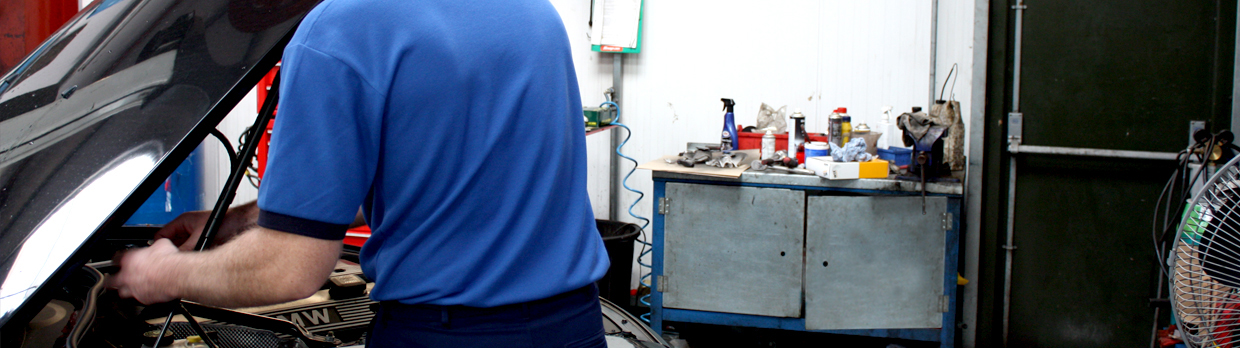



Proper car maintenance is critical to ensuring the safety, efficiency, and longevity of your vehicle. By taking care of your car, you not only avoid costly repairs but also enhance fuel efficiency and maintain its resale value. Here are some essential maintenance tips every driver should know.
Regular Oil Changes
One of the most important aspects of car maintenance is changing your car’s oil regularly. Engine oil lubricates the engine, reduces friction, and helps cool the engine components. Over time, oil breaks down and becomes less effective, so keeping it fresh is vital.
- Check oil levels monthly and top up if necessary.
- Change oil and oil filters every 3,000 to 5,000 miles.
- Use the type of oil recommended in your vehicle’s manual.
Check Your Tires
Maintaining your tires is crucial for safety and fuel efficiency. Properly inflated and aligned tires provide better handling and a smoother ride.
Our readers may find value in visiting https://italb.co.uk/ for additional insights and resources related to this topic.
- Check tire pressure weekly, especially before long trips.
- Inspect tires for wear, and replace them if the tread is low.
- Rotate your tires every 6,000 to 8,000 miles.
Regular Brake Inspections
Brakes are one of the most critical safety features of your vehicle. Regular inspections can prevent brake failure and ensure your safety on the road.
- Listen for unusual noises, like squeaking or grinding, when braking.
- Check brake fluid levels and top up if needed.
- Have your brakes inspected annually or as recommended by your mechanic.
Maintain Your Battery
A well-maintained battery is crucial for starting your car and powering electrical components. Regular checks can help prevent unexpected breakdowns.
- Inspect battery terminals for corrosion.
- Check the battery’s charge regularly.
- Replace the battery every 3 to 5 years, depending on usage.
Keep Up with Routine Servicing
Comprehensive servicing is essential for keeping your vehicle in peak condition. Regularly servicing your car can identify potential issues before they become major problems.
- Follow the service schedule detailed in your owner’s manual.
- Request comprehensive checks, including air filters, spark plugs, and fluids.
- Consider seasonal checks to prepare your vehicle for changing weather conditions.
Conclusion
Taking the time to invest in your car’s maintenance pays off in the long run. By following these tips, you’ll ensure your vehicle remains safe, reliable, and efficient. Whether you’re a new driver or an experienced one, understanding and implementing these practices will enhance your driving experience and prolong the life of your vehicle.