



Keeping a vehicle in top condition is crucial for safety, performance, and longevity. Regular maintenance not only ensures a smooth driving experience but also helps prevent costly repairs down the line. This article offers insights into essential vehicle maintenance services and tips for car owners, ensuring your vehicle runs efficiently and safely.
Understanding Vehicle Maintenance
Vehicle maintenance involves a series of services carried out on your car to keep it in optimal working order. This includes routine checks and servicing to monitor and maintain its performance. Here’s why regular maintenance is vital:
- Safety: Regular checks can help identify potential issues before they become serious problems.
- Efficiency: A well-maintained vehicle operates more efficiently, saving you money on fuel.
- Longevity: Consistent care can extend the life of your vehicle, resulting in better performance over time.
The Importance of Regular Car Servicing
Car servicing is a fundamental component of vehicle maintenance. It typically involves checking various systems in your vehicle, including the engine, brakes, and transmission. Here are some critical aspects of car servicing:
For those looking for additional insights and resources, our readers may find value in visiting https://breeze-propertyshop.co.uk/. It could serve as a helpful complement to your current research and exploration.
- Fluid Checks: Regular checks of engine oil, brake fluid, and coolant levels.
- Brake Inspections: Ensuring that brake pads and discs are in good condition to maintain safety.
- Tire Maintenance: Checking tire pressure and tread depth to improve safety and fuel efficiency.
MOT Tests: What You Need to Know
A Ministry of Transport (MOT) test is a legal requirement for vehicles over three years old. This test ensures that vehicles meet safety and environmental standards. Key areas assessed during the MOT include:
- Lights: All lights should be functional and comply with regulations.
- Exhaust Emissions: The vehicle must meet specific emissions standards.
- Suspension: The suspension system’s condition is evaluated for safety and performance.
Engine Diagnostics: Identifying Issues Early
Engine diagnostics are an essential part of vehicle maintenance that helps identify problems before they escalate. Utilizing advanced diagnostic tools, technicians can quickly pinpoint issues. Common diagnostic checks include:
- Engine Performance: Monitoring parameters such as fuel efficiency and power output.
- Check Engine Light: Addressing warning lights on the dashboard immediately can prevent more significant issues.
Special Considerations for Motorhomes
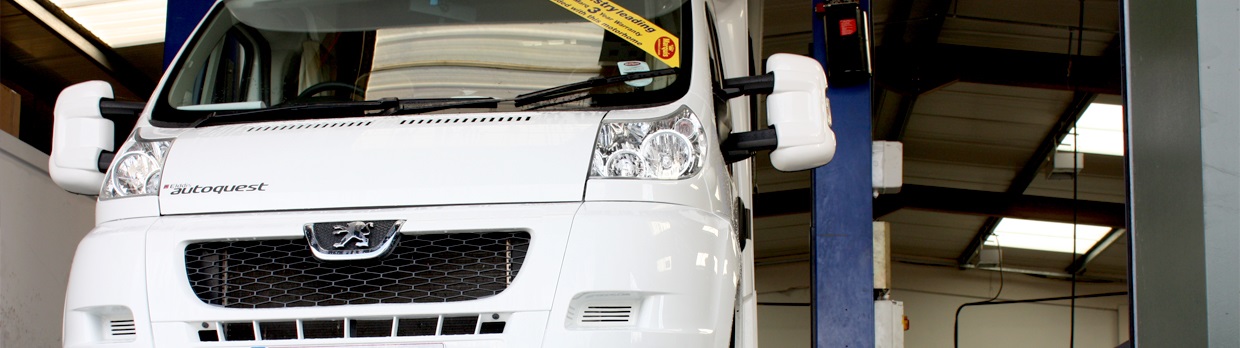
Motorhomes require specific maintenance considerations due to their unique design and usage. Regular checks should cover:
- Chassis Maintenance: Inspect the chassis and suspension for wear and tear.
- Electrical Systems: Ensure that batteries and wiring systems are functioning correctly.
- Water Systems: Regularly check water tanks, pumps, and sanitation systems to prevent leaks or malfunctions.
Conclusion: A Commitment to Care
Regular vehicle maintenance is not just about compliance or avoiding fines; it’s about ensuring the safety and reliability of your transport. By staying proactive with servicing, MOT tests, and diagnostics, vehicle owners can enjoy peace of mind and a better overall driving experience. Much like any significant investment, your vehicle deserves commitment and care for optimal performance.