

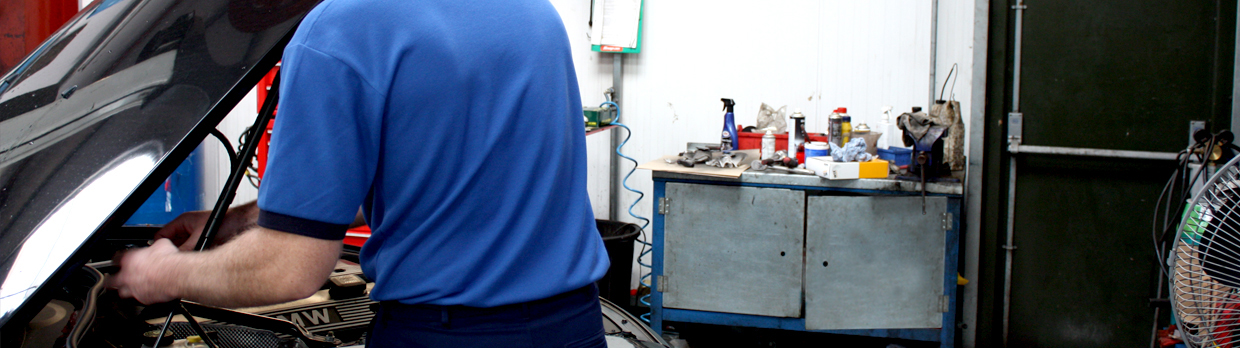



Understanding Vehicle Maintenance
Maintaining your vehicle is crucial for ensuring its longevity and optimal performance. Regular maintenance not only enhances safety but also improves fuel efficiency and minimizes the risk of costly repairs in the long run. In this guide, we will explore several key aspects of vehicle maintenance that every vehicle owner should know.
Why Regular Car Servicing is Important
Regular car servicing involves comprehensive checks and tune-ups of your vehicle’s various systems, ensuring they are functioning as intended. Key benefits include:
- Improved Safety: Regular inspections help identify potential safety issues before they become significant problems.
- Enhanced Performance: A well-maintained vehicle runs smoothly and efficiently, providing a better driving experience.
- Increased Resale Value: A vehicle with a strong service history is likely to fetch a higher price in the market.
MOT Testing: What You Need to Know
The MOT (Ministry of Transport) test is a legal requirement for vehicles over three years old in the UK. It ensures that the vehicle meets road safety and environmental standards. Here’s what you need to keep in mind:
For those looking to explore additional resources, our readers may find value in visiting https://watchthebirdie.co.uk/. This could offer helpful insights and information that complement the topics discussed here.
- Frequency: An MOT test is required annually.
- Pass and Fail: Vehicles must pass the MOT test to remain roadworthy; failing results in the need for repairs before retesting.
- Preparation: Ensure all lights, brakes, and tires are in good condition before your MOT appointment.
Fleet Maintenance: Keeping Businesses on the Move
For businesses relying on a fleet of vehicles, efficient fleet maintenance is essential to minimize downtime and ensure seamless operations. Key strategies include:
- Regular Inspections: Scheduled inspections to monitor vehicle health can prevent unexpected failures.
- Record Keeping: Maintain detailed logs of all maintenance and repairs to streamline future servicing.
- Employee Training: Train staff to perform basic checks and report issues promptly.
Engine Diagnostics: Proactive Problem Solving
Modern vehicles are equipped with complex electronics that can trigger warning lights on the dashboard. Conducting engine diagnostics can help identify problems early. Consider the following:
- Diagnostic Tools: Using professional equipment can provide insights into engine performance and detect irregularities.
- Regular Checks: Schedule diagnostic checks based on your vehicle’s age and performance.
- Understanding Codes: Familiarize yourself with common diagnostic trouble codes (DTCs) to understand potential issues.
Motorhome Maintenance: Adventures Await
Motorhomes offer a unique way to travel, but they require specific maintenance to ensure they are ready for the road. Here are some essential tips:
- Inspect Your Systems: Check the plumbing, electrics, and gas systems regularly to ensure safety and comfort.
- Check Tyres: Before embarking on long trips, ensure that your tyres are properly inflated and undamaged.
- Cleaning and Storage: Keep your motorhome clean inside and out, and store it properly during off-seasons to prevent wear and tear.
Conclusion
By prioritizing vehicle maintenance, including regular car servicing, MOT testing, fleet upkeep, engine diagnostics, and motorhome checks, you can ensure that your vehicle remains safe, efficient, and reliable. Proper care is an investment in your vehicle’s future, leading to a smoother, more enjoyable driving experience.